
Tips for Handling Your Motorcycle in Rain, Heat, or Cold Weather
Embarking on a motorcycle ride is always an adventure, but when extreme weather conditions enter the equation, it turns into a test of skill, preparation, and endurance. Riding in rain, heat, or cold weather presents unique challenges that require specific strategies to ensure safety, comfort, and enjoyment. This comprehensive guide delves into the essentials of handling your motorcycle in extreme conditions, ensuring you’re equipped to ride confidently, no matter what Mother Nature throws your way.
Riding in the Rain: Stay Dry, See Clear, Ride Safe
Gear Up with Waterproof Apparel
The first line of defense against the rain is waterproof riding gear. Invest in a high-quality waterproof jacket, pants, gloves, and boots. Look for gear with breathable fabrics to prevent overheating and ensure comfort during long rides.
Maintain Visibility
In rain, your visibility and that of other road users diminish. Use anti-fog visors or apply anti-fog treatments to your helmet’s visor. Opt for gear with reflective elements and keep your motorcycle’s lights on to enhance visibility.
Adjust Your Riding Style
Slow down to compensate for reduced traction and increased stopping distances. Use gentle inputs for braking, accelerating, and steering. Avoid sudden maneuvers and be especially cautious on surfaces that are extra slippery when wet, such as painted lines and metal grates.
Regular Maintenance Checks
Ensure your motorcycle is rain-ready. Check tire tread depth, as good tires are crucial for wet weather grip. Regularly inspect your brake pads and lights to ensure they’re in optimal condition.
Riding in the Heat: Beat the Heat, Stay Hydrated
Wear Proper Gear
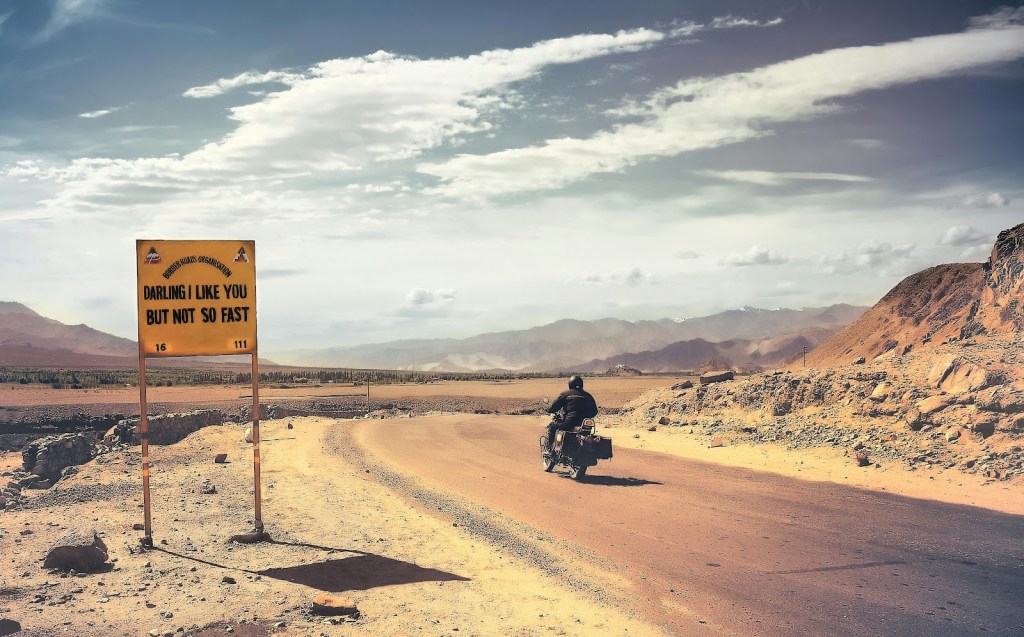
In hot weather, wear ventilated riding gear that allows air circulation while still providing protection. Light-colored gear can help reflect sunlight and keep you cooler.
Stay Hydrated
Dehydration is a real risk in hot conditions. Wear a hydration pack and drink water regularly. Avoid caffeine and alcohol, as they can lead to dehydration.
Plan Your Route and Timing
Whenever possible, plan your rides during cooler parts of the day, such as early morning or late evening. Take regular breaks in shaded or air-conditioned places to cool down.
Recognize the Signs of Heat Exhaustion
Be aware of symptoms such as heavy sweating, weakness, cold, pale and clammy skin, fainting, or vomiting. If you experience these, stop riding, move to a cooler place, and hydrate.
Riding in the Cold: Keep Warm, Stay Alert
Layer Up
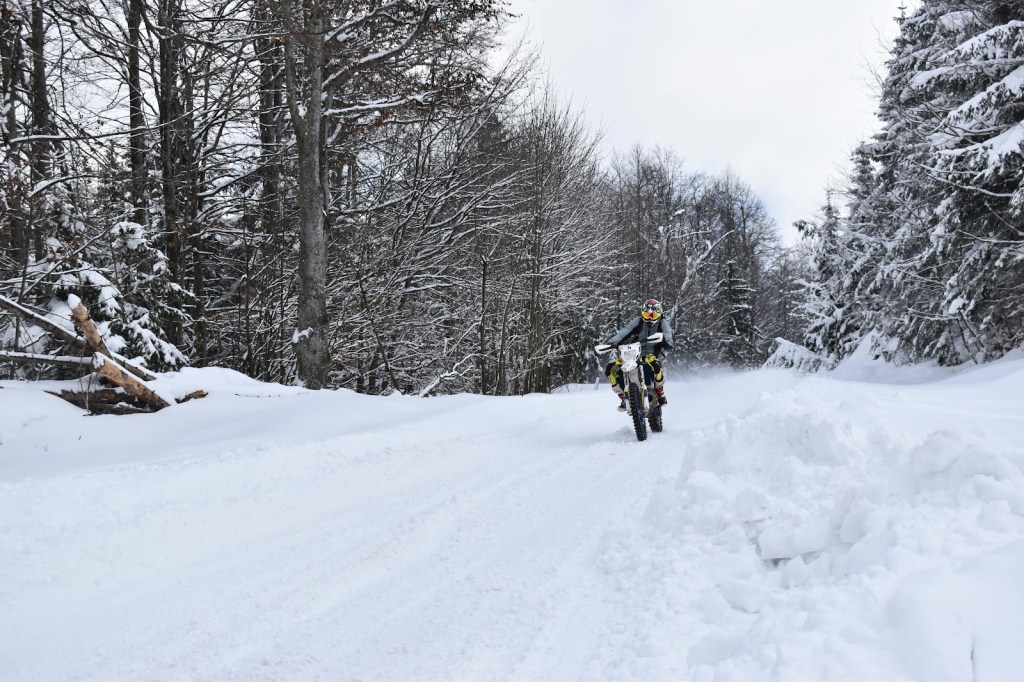
Wearing multiple layers is key to staying warm. Start with a moisture-wicking base layer, add an insulating layer, and finish with a windproof and waterproof outer layer. Don’t forget insulated gloves, a balaclava, and thermal socks.
Protect Your Extremities
Your hands, feet, and face are most susceptible to the cold. Heated gloves, handlebar grips, and boots can make a big difference. A full-face helmet will protect your face from cold air.
Adjust Your Riding
Cold tires have less traction, so allow more time for your tires to warm up and be gentle with all inputs. Be extra cautious on icy patches, especially on bridges and shaded areas.
Keep Your Bike Winter-Ready
Ensure your motorcycle’s battery is in good condition, as cold weather can affect its performance. Use thinner oil if riding in extremely cold temperatures for better engine performance.
Conclusion
Riding a motorcycle in extreme conditions demands respect for the elements and a commitment to safety. By preparing yourself and your bike, adjusting your riding techniques, and staying aware of your physical condition, you can tackle rain, heat, or cold with confidence. Always remember, the best rides are those from which we return safely, ready to embark on the next adventure.
 Motorcycle Fixation
Leave a comment